

REQUEST ADVICE CONVERSATION
We are happy to advise you how to solve odour and emission problems. We strive to find the best sustainable solution. As every question is different, we would like to have personal contact with you, so we can go through all the details carefully.
Enter your details and one of our odour experts will contact you to make an appointment:
actief kool
Actief kool is een speciaal behandelde koolstof die door adsorptie allerlei stoffen aan zich kan binden. Actief koolfilters zijn dan ook een zeer geschikt medium voor gassen die zich niet laten oxideren zoals koolwaterstoffen, oplosmiddelen en organische gassen. De actief kooldeeltjes (koolstofatomen) oefenen een aantrekkingskracht uit op gasvormige of vloeibare deeltjes (moleculen), die het actief kool omgeven of doorstromen. Hoe sterk deze aantrekkingskracht is, wordt door een aantal factoren bepaald, bijvoorbeeld door de vorm en massa van de moleculen die in aanraking komen met actief kool. Juist doordat niet alle moleculen even sterk worden aangetrokken en vastgehouden (geadsorbeerd) door actief kool, is het mogelijk één of meer ongewenste stoffen uit lucht, gas of water te verwijderen.
de techniek
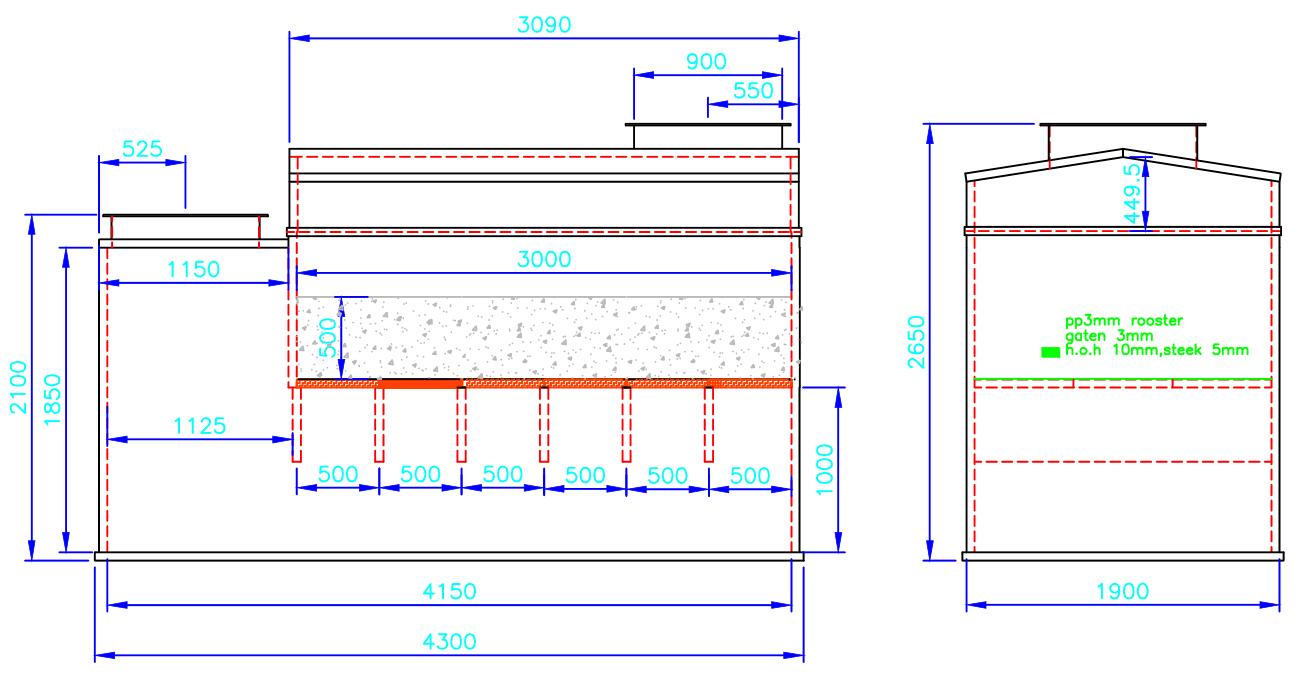
Het actief kool wordt in een kunststof huis geplaatst, de luchtstroom wordt verticaal door het bed gedrukt. De luchtdoorstroming is van links naar rechts. Vervuilde proceslucht komt via de linkerzijde het filterhuis binnen en verdeelt zich onder het actief koolfilterbed. De lucht stroomt vervolgens verticaal door het filter. De geurcomponenten worden gebonden aan het actief kool. De lucht stroomt na het filter naar rechts en verlaat het filter gereinigd.
Na een tijd zal het filter verzadigd zijn met geurcomponenten. Het actief kool dient dan vervangen te worden. Het verwijderde actief kool kan worden geregenereerd of afgevoerd als afval. De grootte en onderlinge verhoudingen van de poriën worden bepaald door de gebruikte grondstof en de activeringsmethode. Er zijn verschillende soorten grondstoffen waaruit actief kool geproduceerd kan worden. Voorbeelden zijn steenkool, kokosvezel en houtsnippers. De verschillende grondstoffen en wijze van het productieproces zorgen voor verschillende types actief kool die voor verschillende toepassingen worden ingezet.
Voordelen van Actief kool :
- Hoge efficiency
- Toepasbaar in veel verschillende sectoren
- Lage exploitatiekosten
- Corrosiebestendig, dus duurzaam
- Lange standtijden
- Geïsoleerd, weinig kans op condensvorming
- Licht in gewicht, geen zware constructie noodzakelijk
- Eenvoudig te installeren
- Weinig onderhoud